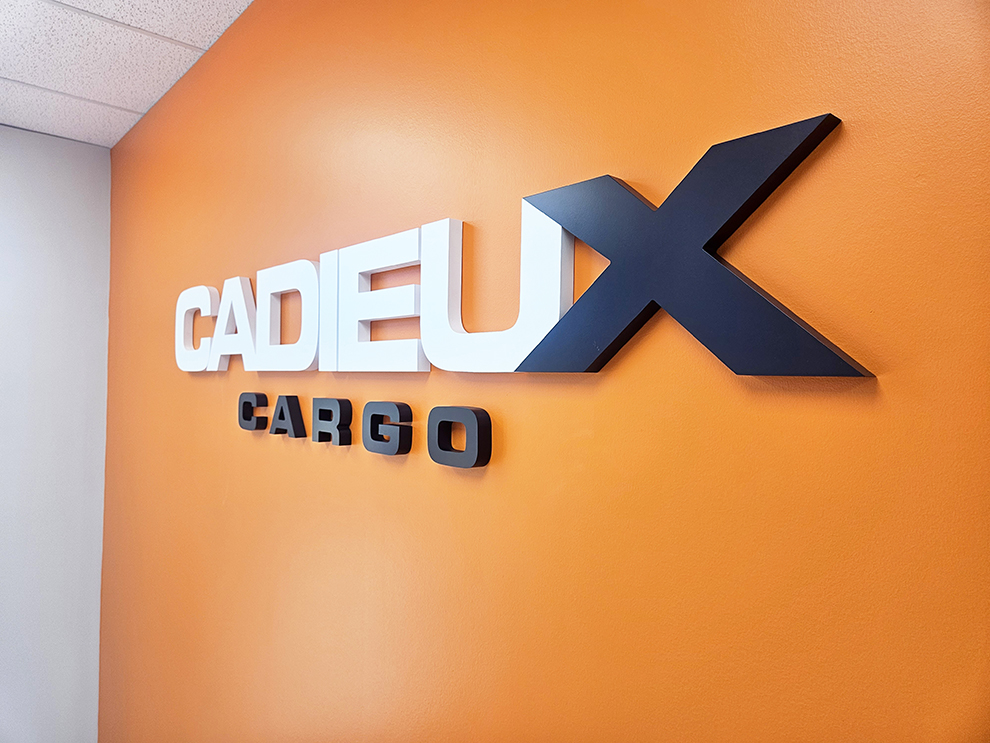
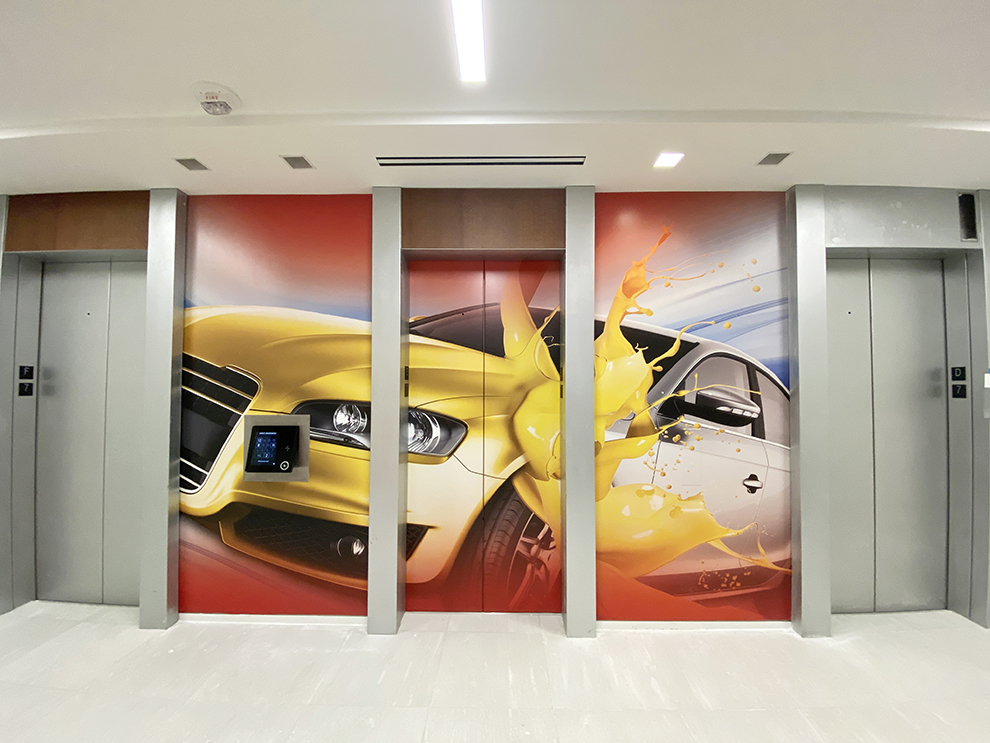
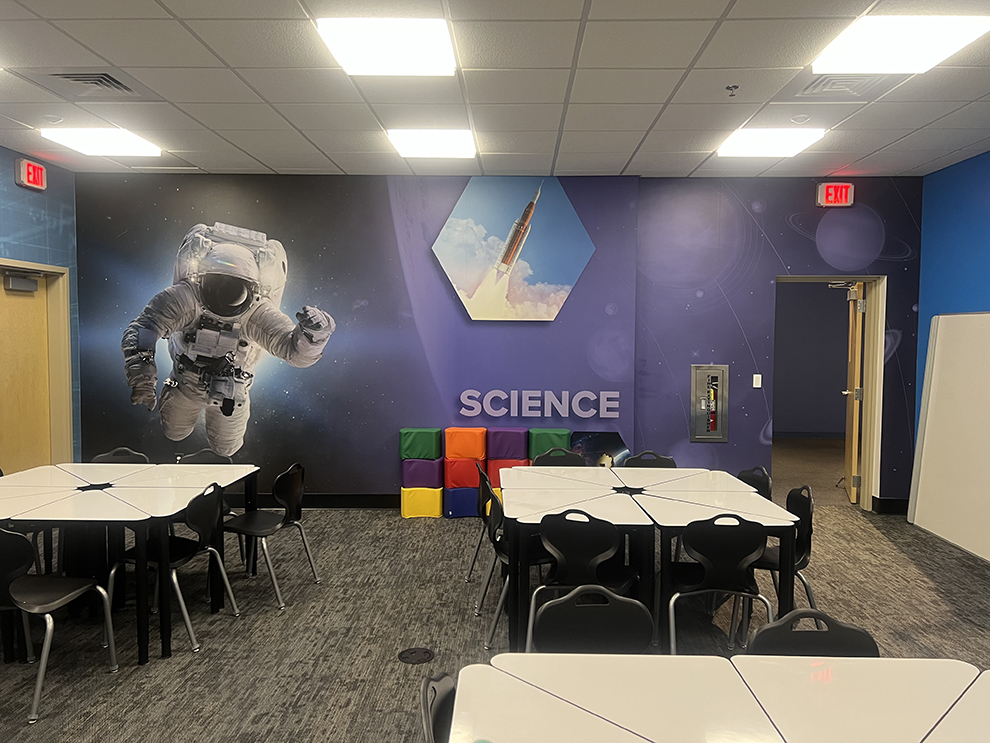
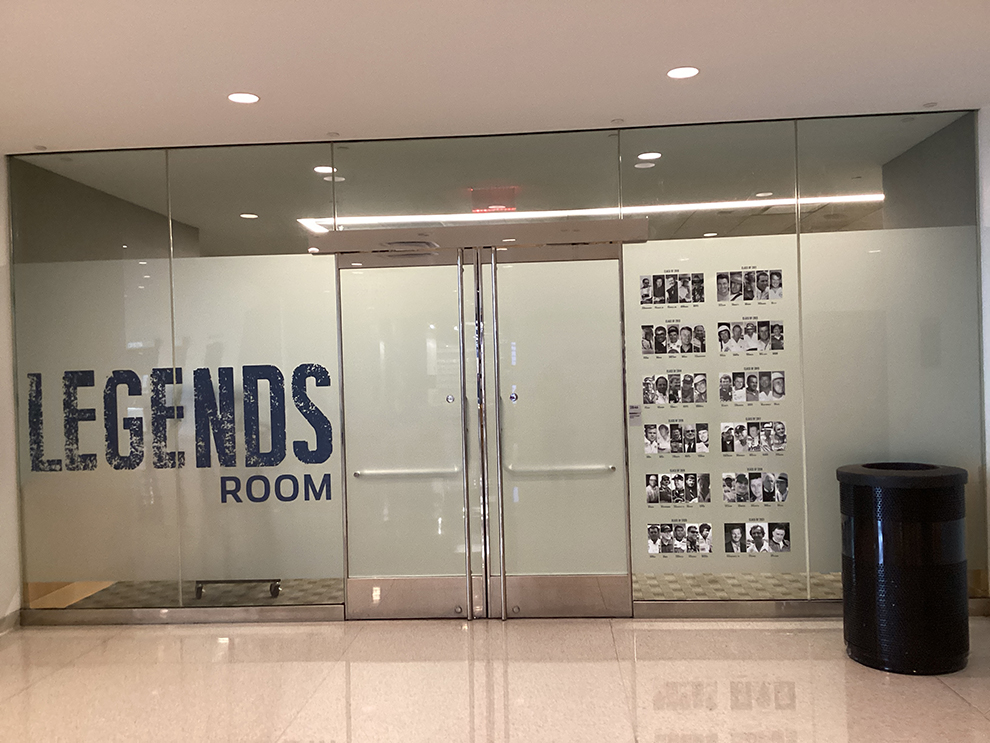
Glass is an important part of many contemporary workplaces, but untreated glass does not always provide the privacy, branding, visibility, or co [...]
Read MoreLocal field support, one dedicated Project Manager, design, production, fabrication, and installation across the Carolinas.
Your workplace or event should make your organization easier to understand and remember, no matter which Carolinas market the project is in. Heritage Signs & Displays helps organizations create branded workplace interiors and event environments through coordinated signs, graphics, displays, dimensional features, environmental graphic design, production, fabrication, and professional installation.
Heritage is a veteran-owned, family-led sign company built for professionally managed projects rather than commodity sign purchases. Raleigh provides genuine local field support for the Research Triangle, Greensboro supports the Piedmont Triad, and Charlotte provides the Carolinas production backbone. Coordinated Heritage resources also support Upstate South Carolina, the South Carolina Midlands, and other aligned markets. One dedicated Project Manager keeps goals, site findings, approved direction, production expectations, and installation planning connected as the work moves from idea to finished space. The advantage is practical: local understanding where the work happens, regional resources when the project needs them, and one accountable process focused on the result the client wants people to experience.
Heritage's Carolinas operating model is designed around the reality that site knowledge and production resources do not have to come from the same place to work as one team. Raleigh gives Research Triangle clients local discovery, site surveys, field verification, installation planning, professional installation, follow-through, and nearby support. Greensboro provides similar field and installation support for Greensboro, Winston-Salem, High Point, and the Piedmont Triad. Charlotte is Heritage headquarters and the primary specialty production facility supporting Carolinas work.
Those roles are complementary. The local team helps the project reflect the actual property, people, access, and schedule. Production and fabrication resources turn the approved direction into physical components with the equipment, capacity, and workflow the work requires. One dedicated Project Manager keeps the information moving between those groups without asking the client to rebuild the story at every handoff. For organizations operating across several Carolinas markets, that model provides a practical combination of local relevance, regional depth, and consistent project knowledge without pretending every location has the same physical resources.
A physical space can do more than carry a logo. It can welcome visitors, reinforce culture, explain a mission statement, recognize people, share organizational history, improve privacy, support direction, and make an event feel intentionally organized. Heritage helps clients decide which messages deserve attention and where those messages can create the strongest effect. That decision comes before choosing products.
A workplace may need a stronger arrival, a clearer connection to company culture, or a recognition feature that gives employees and guests a reason to pause. A campus may need wayfinding that feels consistent with the institution. An association or nonprofit may want its purpose and impact to become visible. An event may need branded elements that guide attendees while supporting sponsors, speakers, and the host organization. Heritage brings those needs together through environmental graphic design and physical implementation so the signs, graphics, displays, and dimensional features support one another. The goal is not visual activity for its own sake. It is a space that communicates with greater clarity, purpose, and confidence.
Help employees, recruits, clients, and visitors understand the organization through purposeful arrival, culture, recognition, history, privacy, direction, and workplace branding.
Read More
Support professional healthcare workplaces and facilities with identity, privacy, recognition, direction, donor communication, history, and visual systems planned around the people using the space.
Read More
Strengthen institutional identity, recruitment, achievement, donor recognition, campus pride, history, and wayfinding across schools, colleges, universities, and other learning environments.
Read More
Bring organizational identity, operational communication, history, recruiting, employee recognition, visitor experience, and direction into offices and operational facilities without turning the page into an industrial sign catalogue.
Read More
Make mission statement, service, community impact, membership, generosity, history, and recognition more visible in spaces where organizations welcome, serve, gather, and lead.
Read More
Create identity, recruiting energy, sponsorship visibility, recognition, history, donor impact, and direction across athletic facilities, team spaces, training areas, and event venues.
Read More
Use timelines, interpretive graphics, dimensional features, recognition, wayfinding, and exhibit-support elements to connect visitors with stories, institutions, collections, and ideas.
Read More
Help attendees move confidently while supporting host identity, sponsor visibility, registration, stages, meeting areas, exhibits, and other physical brand touchpoints throughout the event.
Read More
Workplace branding becomes valuable when it helps people understand the organization, not when it simply fills available walls. Heritage helps companies, associations, universities, healthcare organizations, nonprofits, manufacturers, professional firms, and other institutions use their interiors to reinforce identity, culture, recognition, history, direction, and purpose.
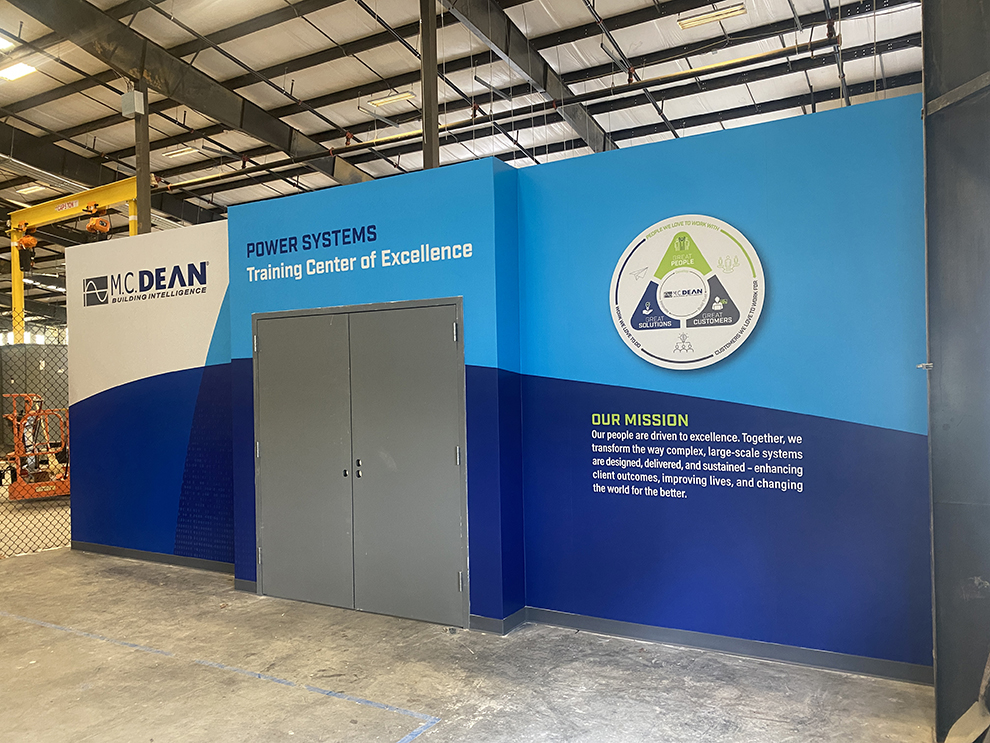
The right mix is different for every property. Dimensional letters or a lobby sign may establish the first impression. A timeline display can make an organization's history easier to explore. Mission statement and core values features can turn important language into part of the daily workplace. Recognition displays can honor people, donors, service, or achievement. Window graphics can add identity or privacy while preserving appropriate light and visibility. Wayfinding can help employees and visitors move with less uncertainty. Heritage's environmental graphic design process helps determine how these pieces relate to the architecture, audience, scale, and surrounding content so the result feels cohesive. The finished workplace should communicate more effectively because the elements have defined roles, not because the space contains the maximum number of signs and graphics.
A branding program can lose consistency when each location or phase starts from zero. Heritage's One Dedicated Project Manager System is designed to preserve the client and project knowledge that should carry forward. One Project Manager can retain approved brand standards, communication history, site findings, production expectations, scheduling context, and installation planning while connecting the local Heritage resources appropriate to each property.
That does not mean every site receives an identical physical solution. A Raleigh headquarters, Greensboro facility, South Carolina office, or Mid-Atlantic location may have different dimensions, surfaces, audiences, access requirements, architecture, and installation windows. The objective is to preserve the brand and approved design intent while adapting the execution responsibly to the actual site. This continuity reduces repeated onboarding, gives the client one consistent coordination point, and helps Heritage make better decisions because earlier project knowledge remains available. It also supports phased workplace programs and organizations adding locations over time, allowing successful standards to become a useful starting point rather than a rigid template that ignores local conditions.
Events compress a large amount of communication into a short period of time. Attendees need to recognize the host, find registration, locate rooms, understand schedules, identify sponsors, and move through the venue without unnecessary confusion. Heritage creates the physical branded elements that help conferences, conventions, association meetings, university programs, nonprofit events, corporate gatherings, sports events, and other professionally managed events across the Carolinas feel organized and connected.
Depending on the venue and objective, the work may include registration graphics, wayfinding, sponsor displays, backdrops, meter boards, wall and window graphics, dimensional features, freestanding displays, retractable banners, SEG fabric graphics, and other event components. Heritage is responsible for the physical branding within its scope, not for acting as the event planner or experiential marketing agency. Our team evaluates the date alongside approvals, venue requirements, materials, production capacity, transportation, access, installation, and removal needs. When timing is achievable, Heritage works proactively toward it. When the full scope cannot fit the available window, we communicate early and help prioritize, phase, resequence, or adjust the physical solution around what matters most.
Good project decisions require both a clear objective and accurate information about the place where the work will be installed. Heritage begins by learning what the client wants people to notice, understand, feel, or do. Environmental graphic design then helps translate those goals into hierarchy, scale, placement, relationships among elements, materials, and an approved visual direction that can be produced and installed responsibly.
For projects that ultimately include Heritage professional installation, a Heritage site survey is required. The survey combines client discovery with field verification of reasonably observable dimensions, surfaces, existing conditions, access, placement, mounting needs, work areas, and installation requirements. That site record follows the project instead of disappearing after measurement. Production and fabrication can use it while planning fit and execution, and installers can arrive with context about the approved project and documented site conditions. Heritage installs the signs, graphics, displays, and branded elements it produces, fabricates, procures, or manages within a Heritage engagement. We do not provide installation-only service for customer-provided signs or graphics because accountability depends on controlling the information and production decisions that affect the finished installation.
Heritage support should begin with the market closest to the work. In the Research Triangle, Raleigh provides a client-facing office and local field and installation hub supporting Raleigh, Durham, Chapel Hill, Cary, Morrisville, Research Triangle Park, and surrounding communities. In the Piedmont Triad, Greensboro provides client-facing field and installation support for Greensboro, Winston-Salem, High Point, and nearby communities.
From there, Heritage can connect the project to broader Carolinas resources. Greenville-Spartanburg and Upstate South Carolina, along with Columbia and the South Carolina Midlands, are service markets supported through coordinated Carolinas resources, with Charlotte production supporting the work. South Carolina is service geography rather than a current Heritage office state. For clients with locations beyond one Carolinas market, Heritage can extend support through the broader Heritage network across the Carolinas and Mid-Atlantic. The sequence matters: local site understanding first, the immediate market next, regional resources after that, and the full network only when added scale and continuity create value for the client. This keeps regional reach grounded in real operating support.
Heritage is best suited to professionally managed workplace interior and event environment projects where environmental graphic design, production, fabrication, site understanding, project management, and professional installation create meaningful value. For new workplace interior and event environment opportunities generated through this website, clients should plan for an anticipated overall project investment of at least $5,000. Many Heritage projects involving production and professional installation range from $10,000 to more than $200,000, depending on scope, materials, fabrication, locations, access, schedule, and installation requirements.
Heritage's primary focus remains workplace interiors and event environments. Appropriate storefront and arrival projects may also include non-illuminated exterior window graphics, exterior wall graphics, dimensional lettering, sign panels, and related elements when the project and site support the application. Heritage does not produce or install monument signs, pylon signs, channel letters, or illuminated exterior signs and does not provide vehicle wraps or fleet graphics. Required sign permits and property approvals are the responsibility of the client, property owner or property manager, or general contractor. Heritage does not determine whether a sign permit is required or obtain those approvals for the client.
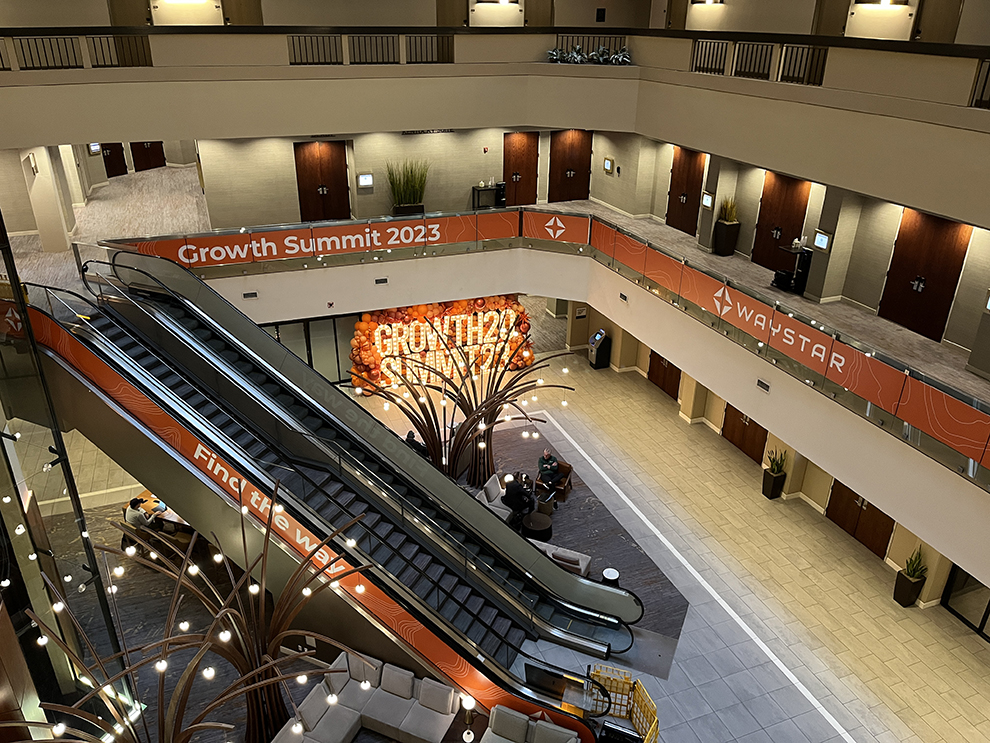
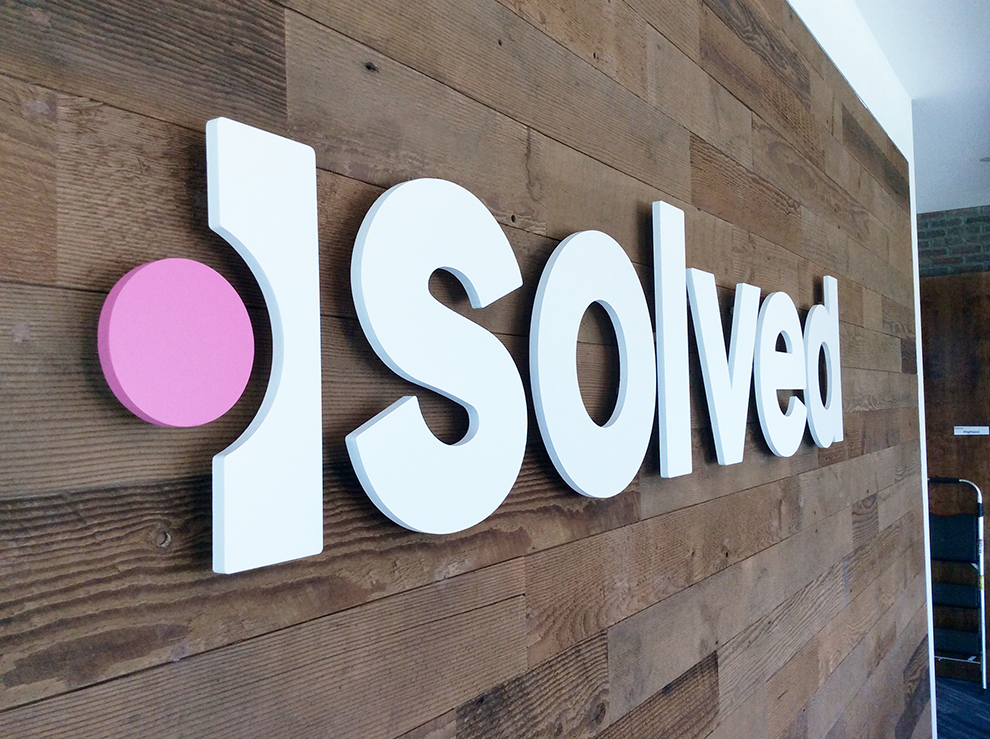
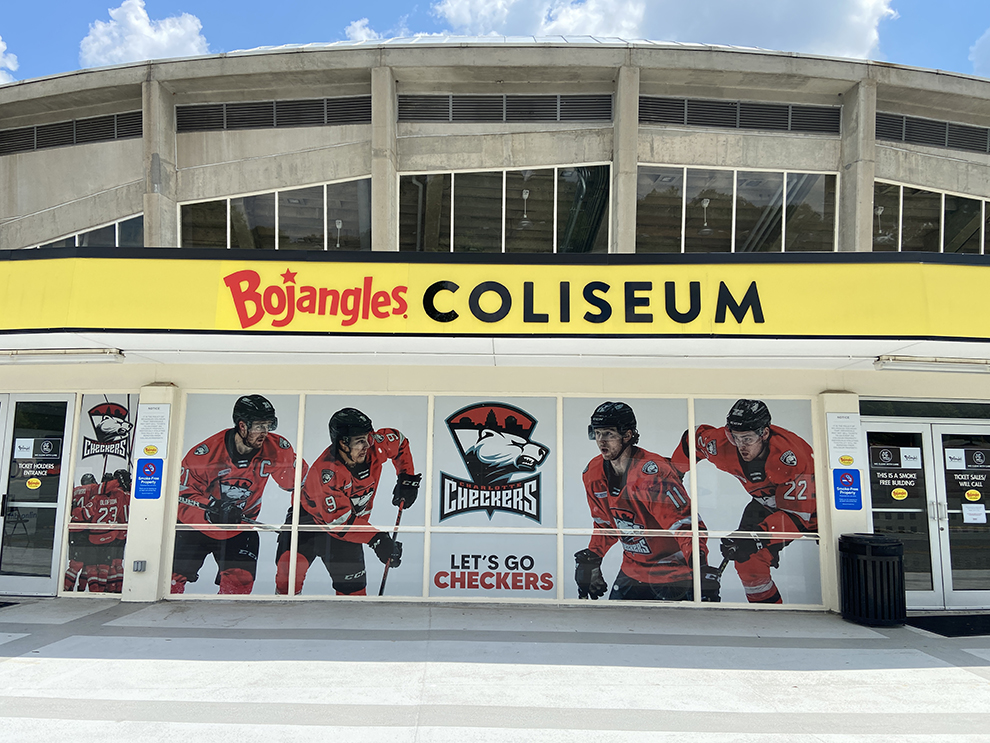
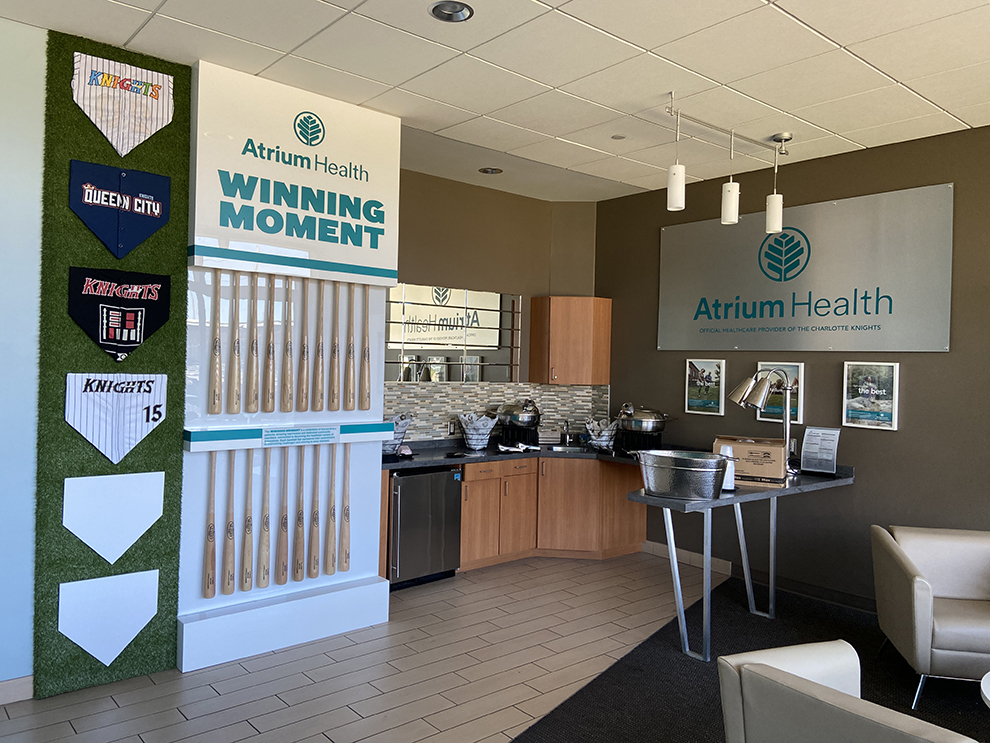
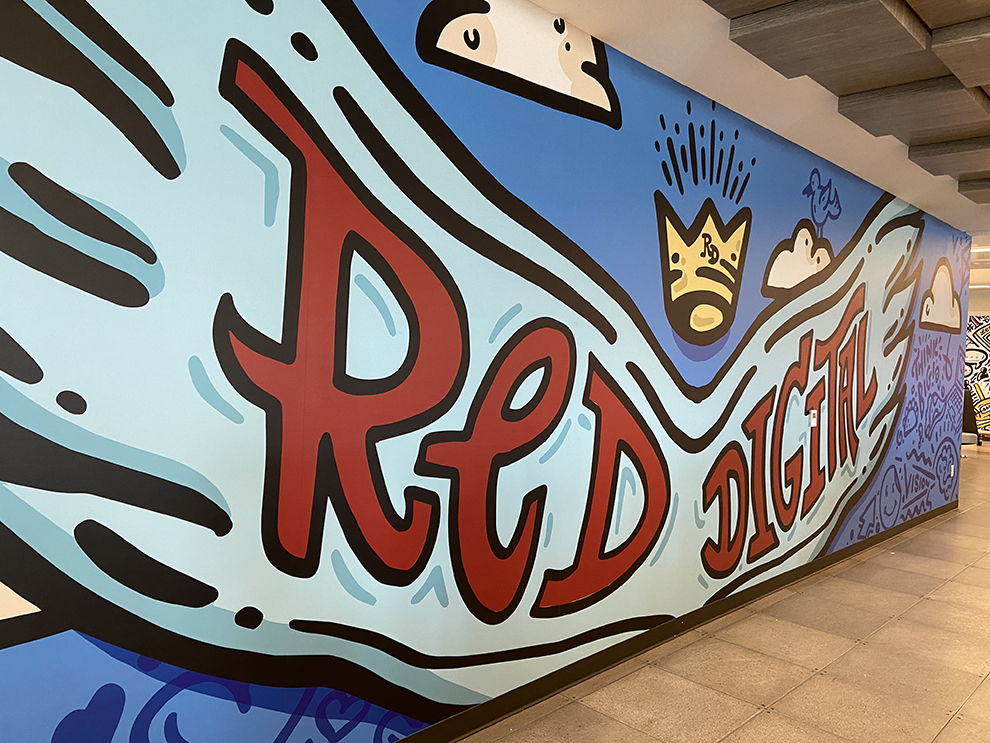
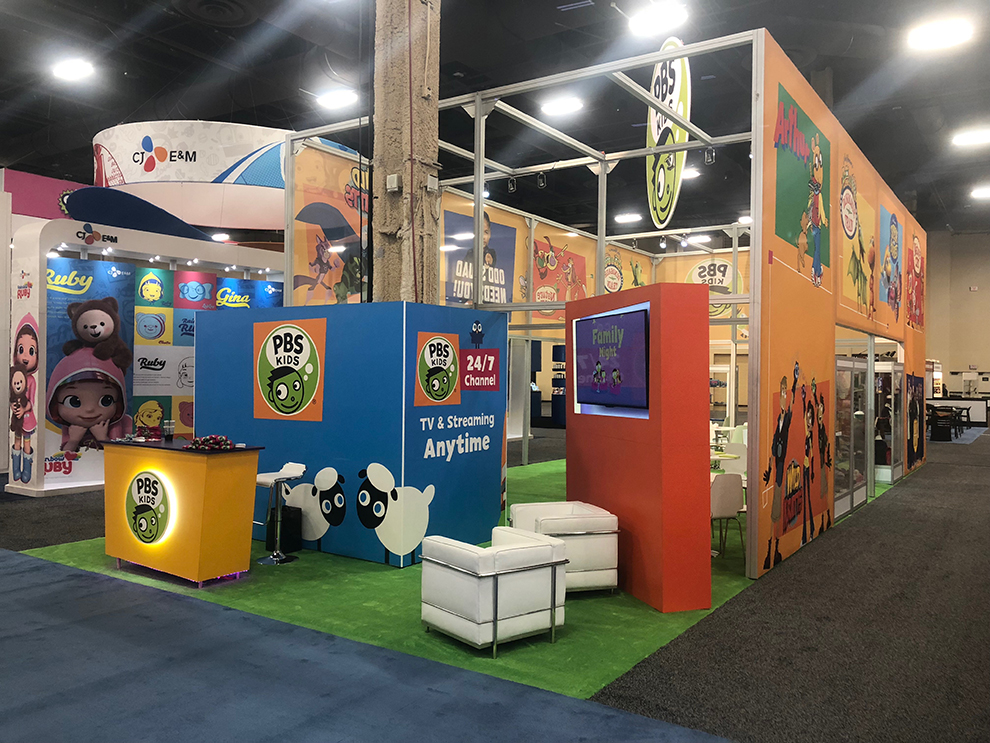
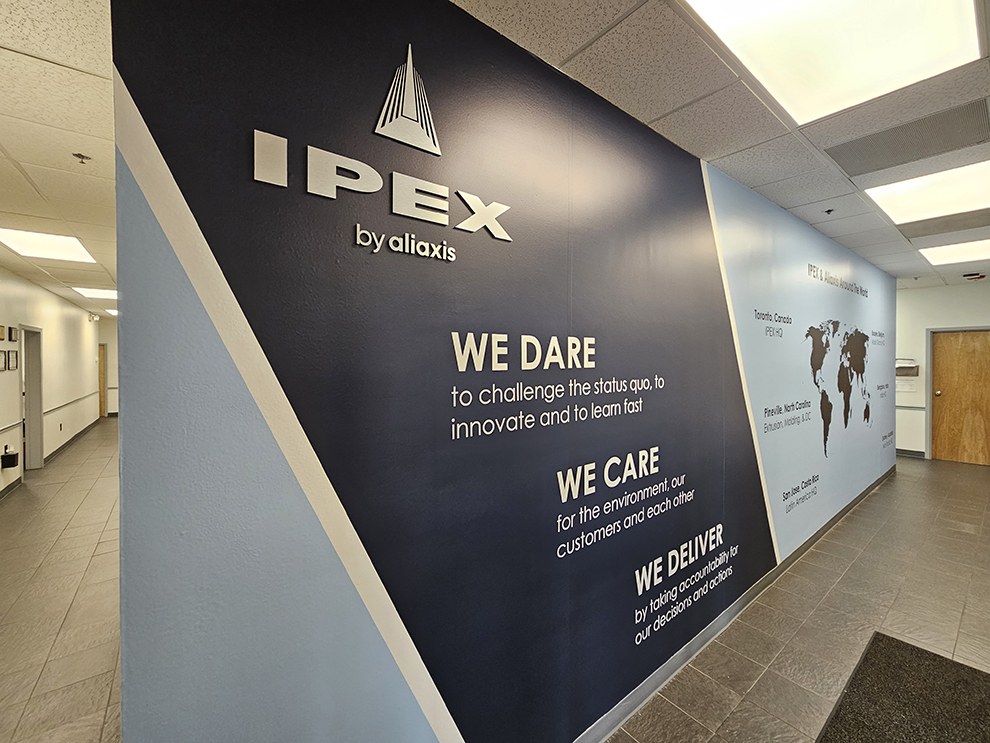
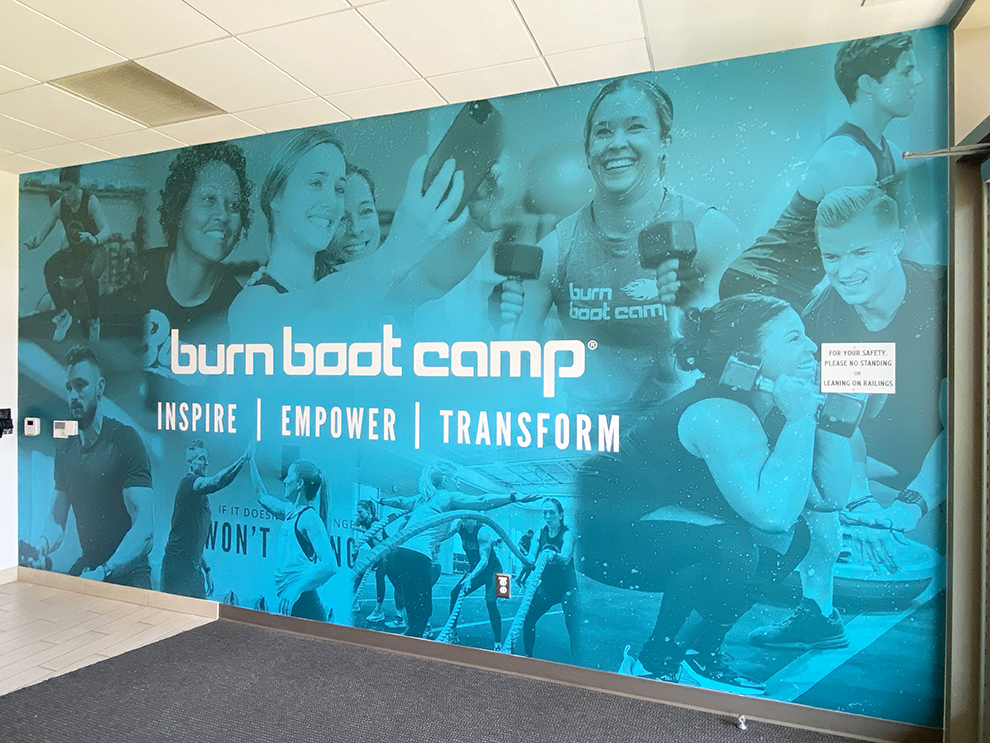
Completed projects show how Heritage combines communication goals, environmental graphic design, production, fabrication, site understanding, and installation across different organizational settings. Use the homepage Project Spotlight and Latest News areas to feature current Carolinas workplace, event, recognition, environmental graphic, and dimensional work that helps visitors understand what Heritage can accomplish. Implementation should verify market relevance, project titles, accessible image descriptions, dates, and links before publication so the proof supports the page rather than becoming a generic keyword gallery.
Bring Heritage the communication problem before you build a shopping list. Tell us where the work will happen, who will use the space, what needs to change, the date that matters, and the anticipated investment. Add photographs, plans, brand standards, venue information, or reference files when they are available. The Get Started Now form gives our team enough context to begin a useful conversation, determine which facts still need verification, and decide whether the strongest next step is discovery, a site survey, environmental graphic design, or another project-planning action.
Glass is an important part of many contemporary workplaces, but untreated glass does not always provide the privacy, branding, visibility, or co [...]
Read MoreHeritage Signs & Displays produced and installed workplace graphics for the Greater Washington [...]
Read MoreGreensboro, NC — April 29, 2026 — Heritage Signs & Displays continues to grow across the Triad, building [...]
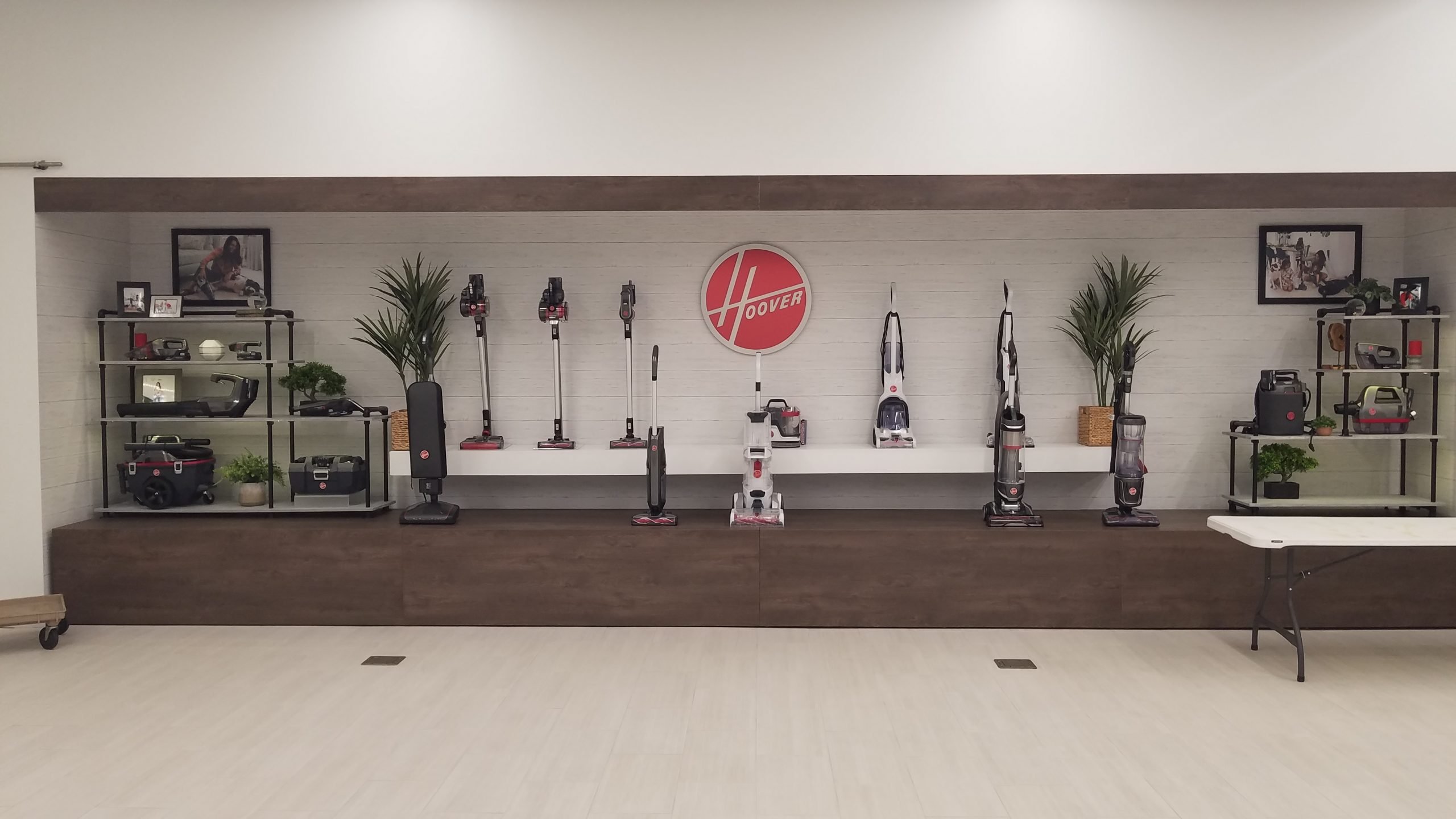
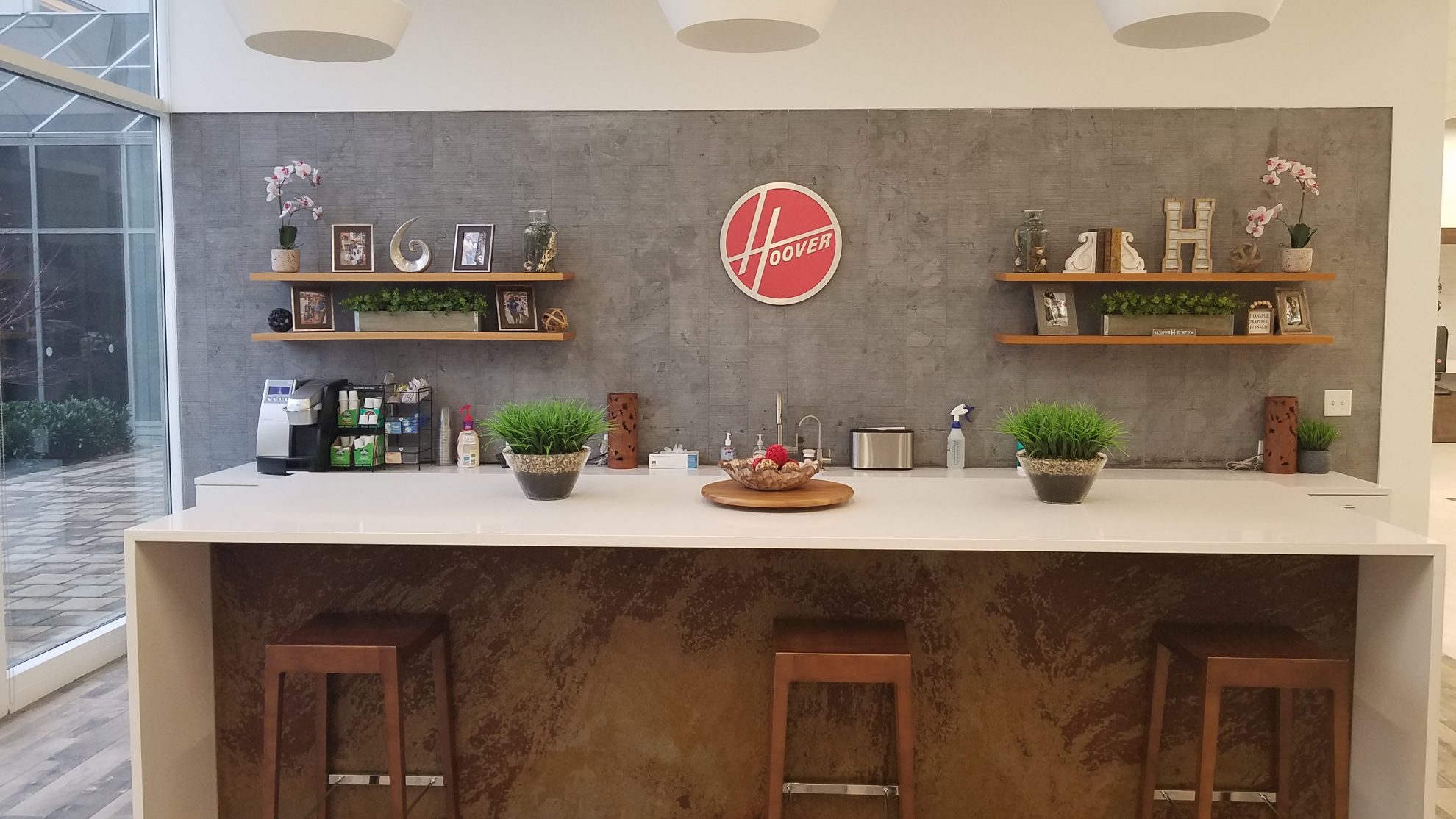
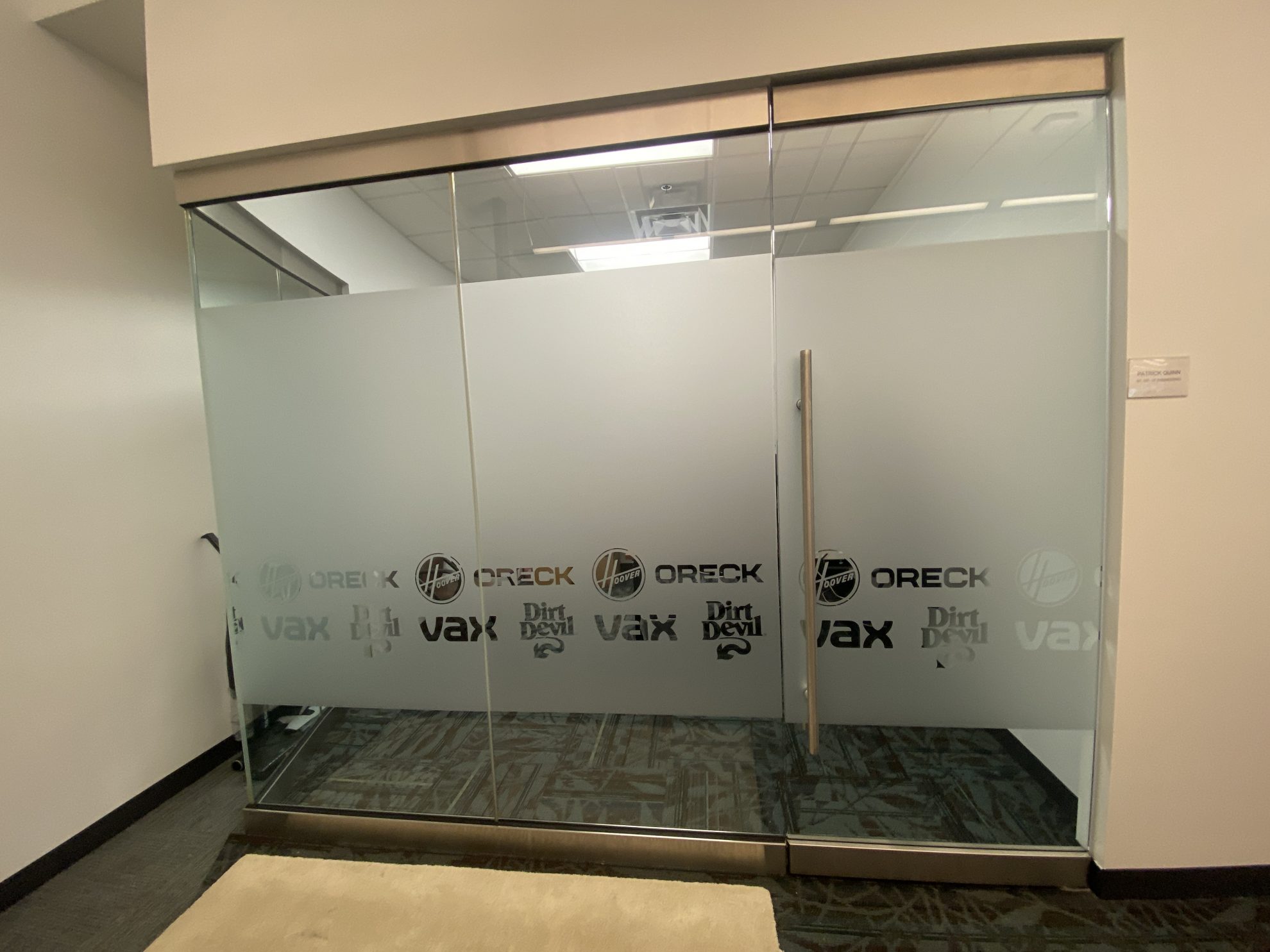
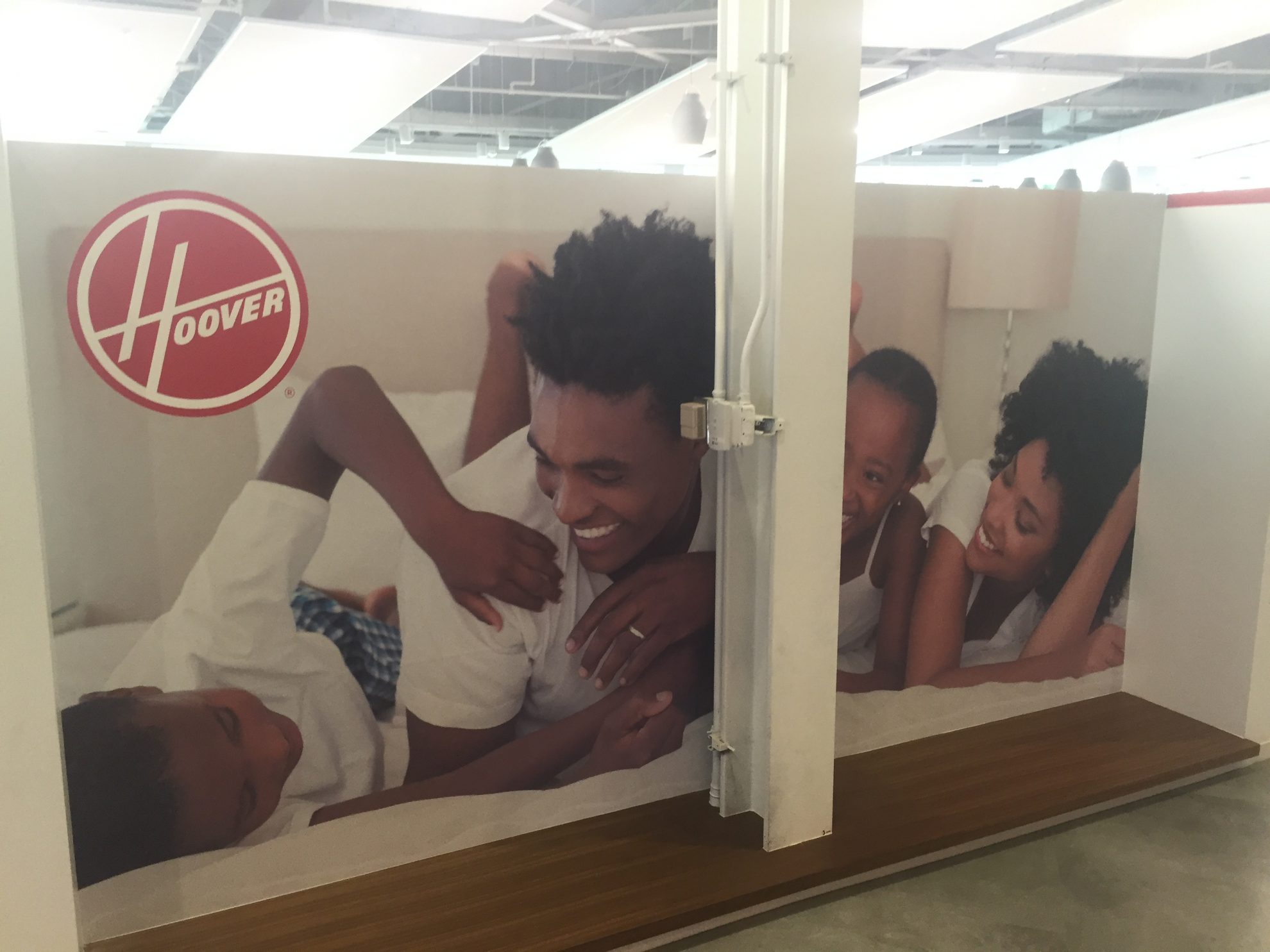
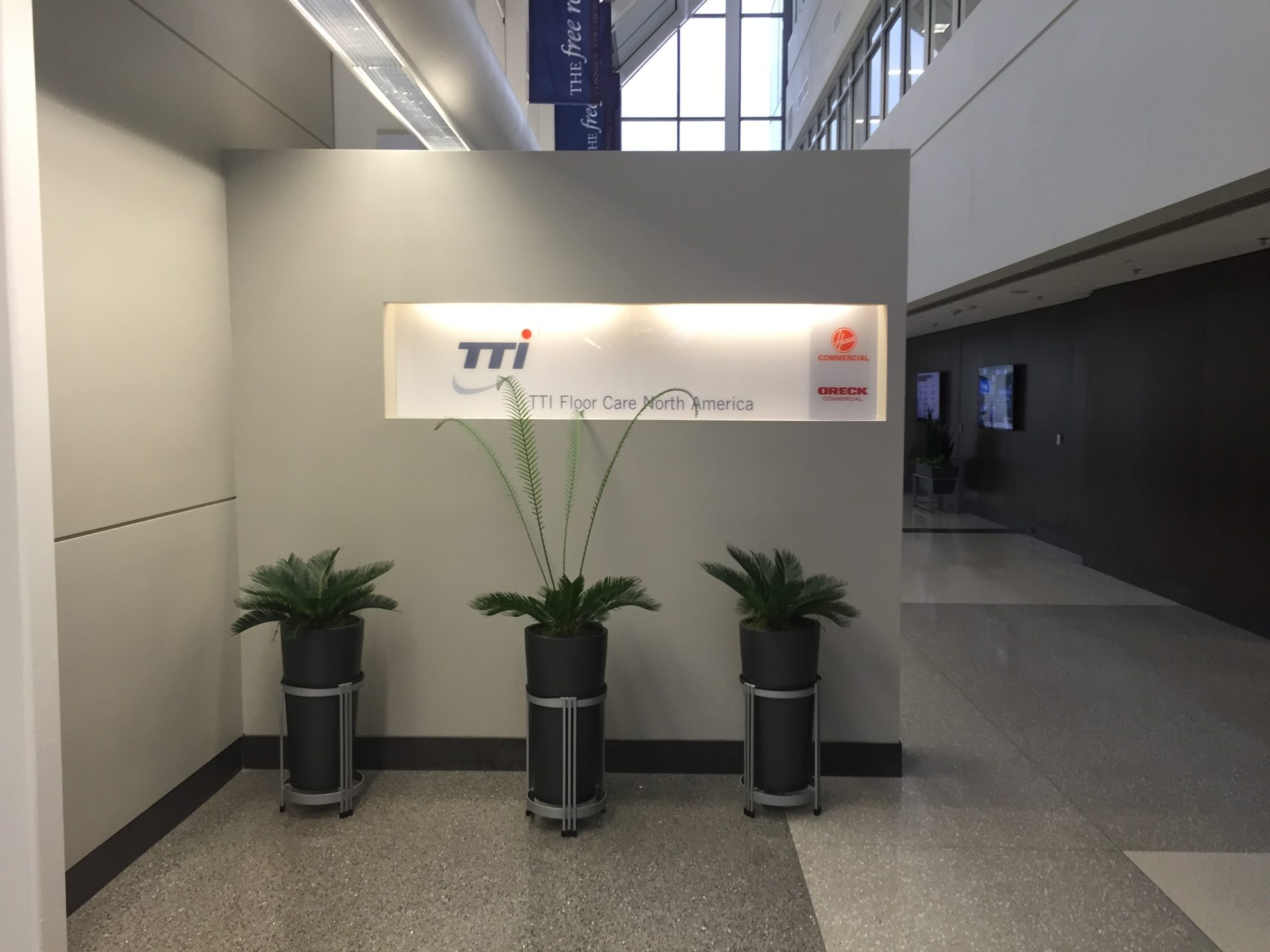
Read MoreHeritage Signs & Displays collaborated with TTI Floor Care North America to enhance their corporate office. The project included custom frosted vinyl graphics, acrylic signs, dimensional lettering, and LED backlit signs, showcasing the brands Dirt Devil, Hoover, and Oreck. The signage improved office branding, privacy, and aesthetics. Heritage collaborated closely with TTI, ensuring efficient execution and high-quality results, creating an immersive and professional environment that reflects TTI's brand values.
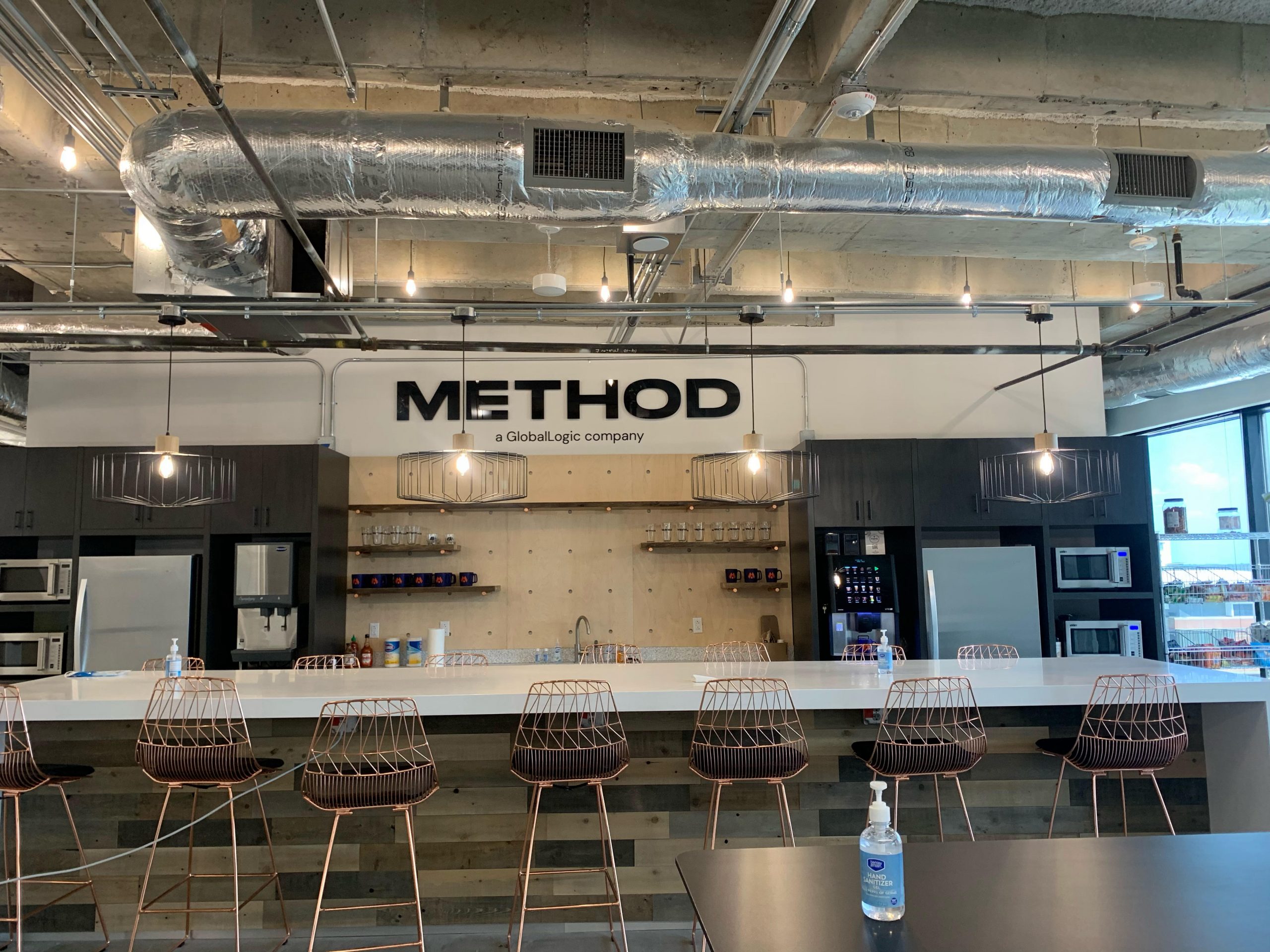
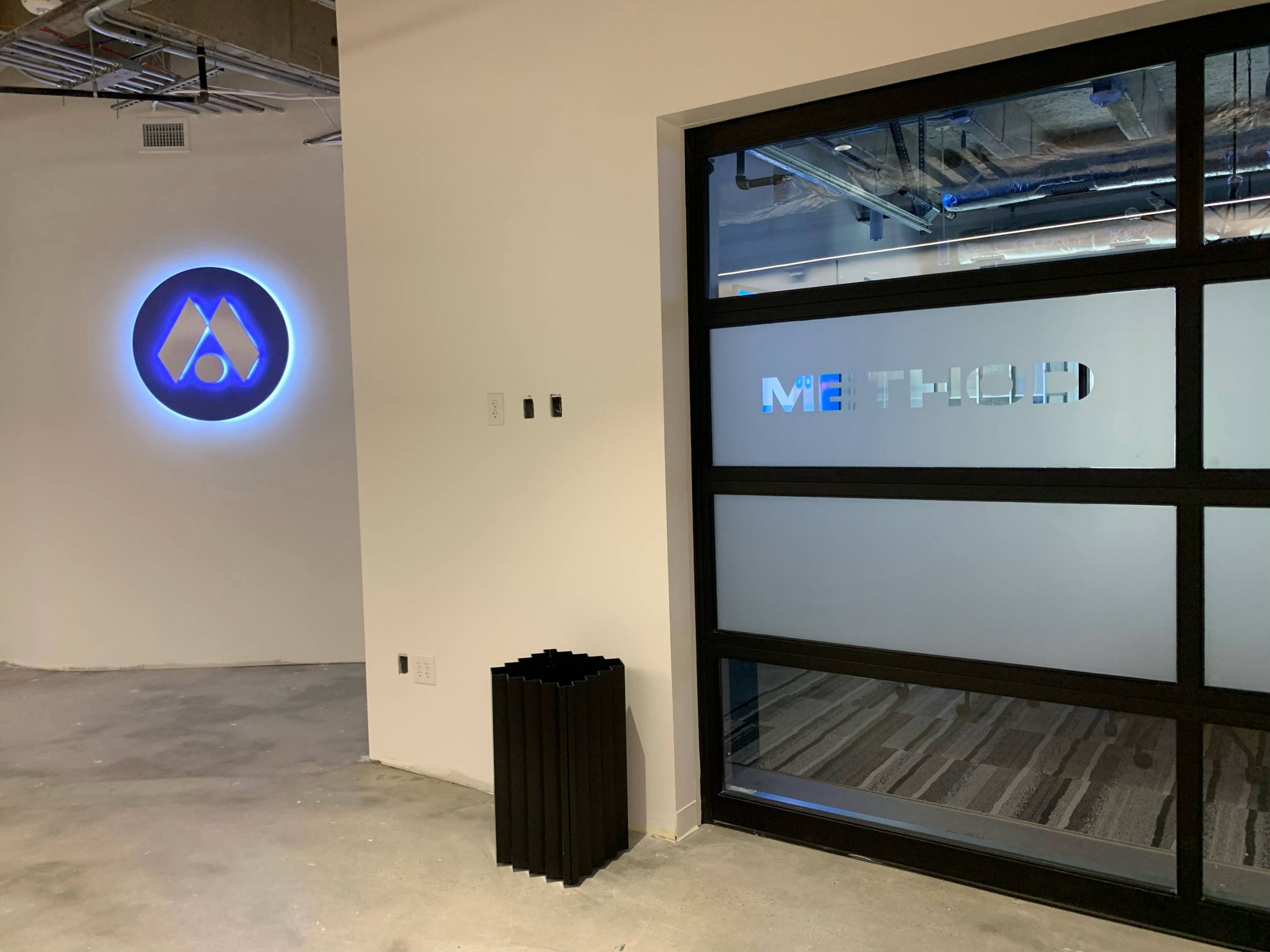
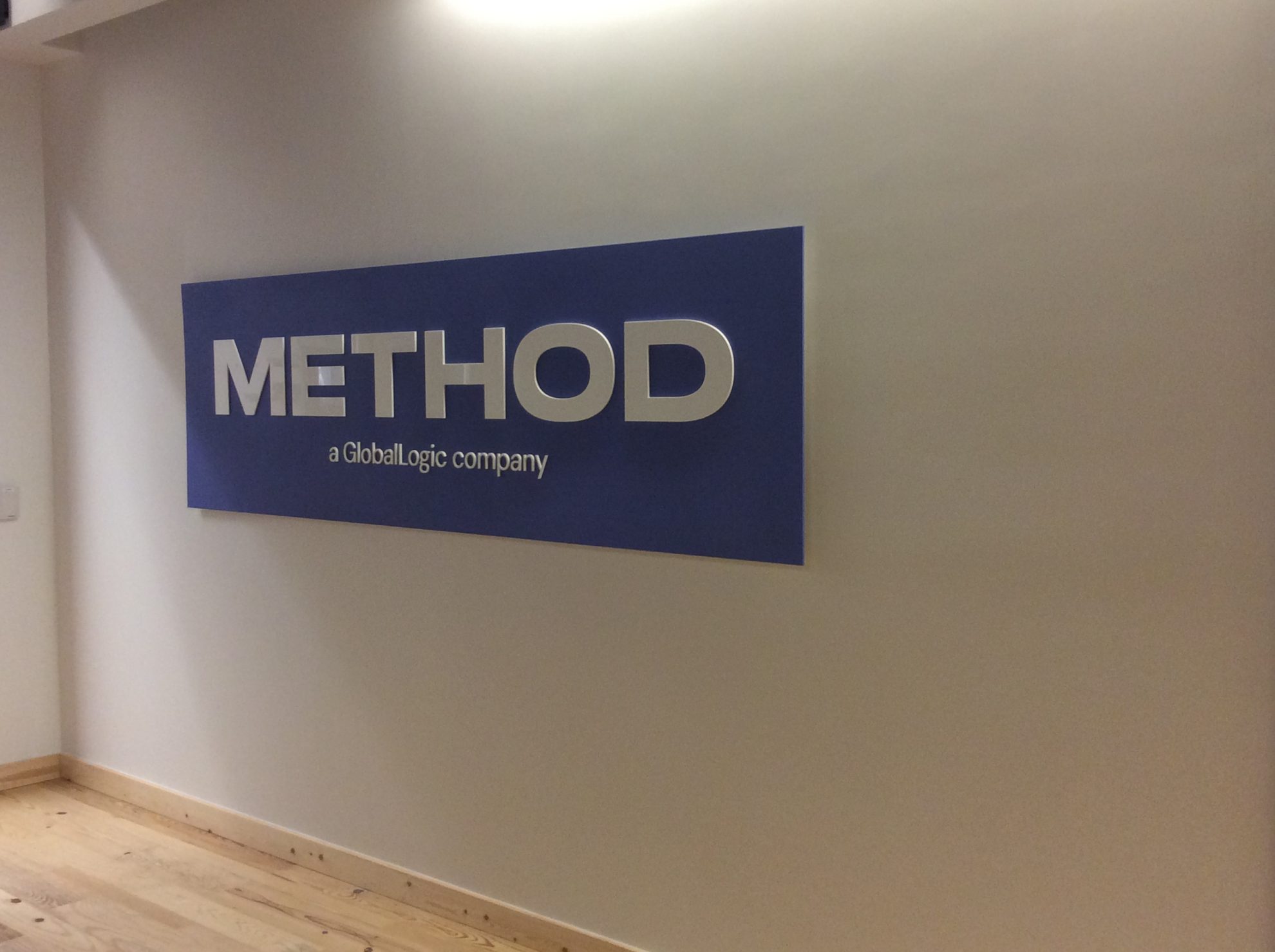
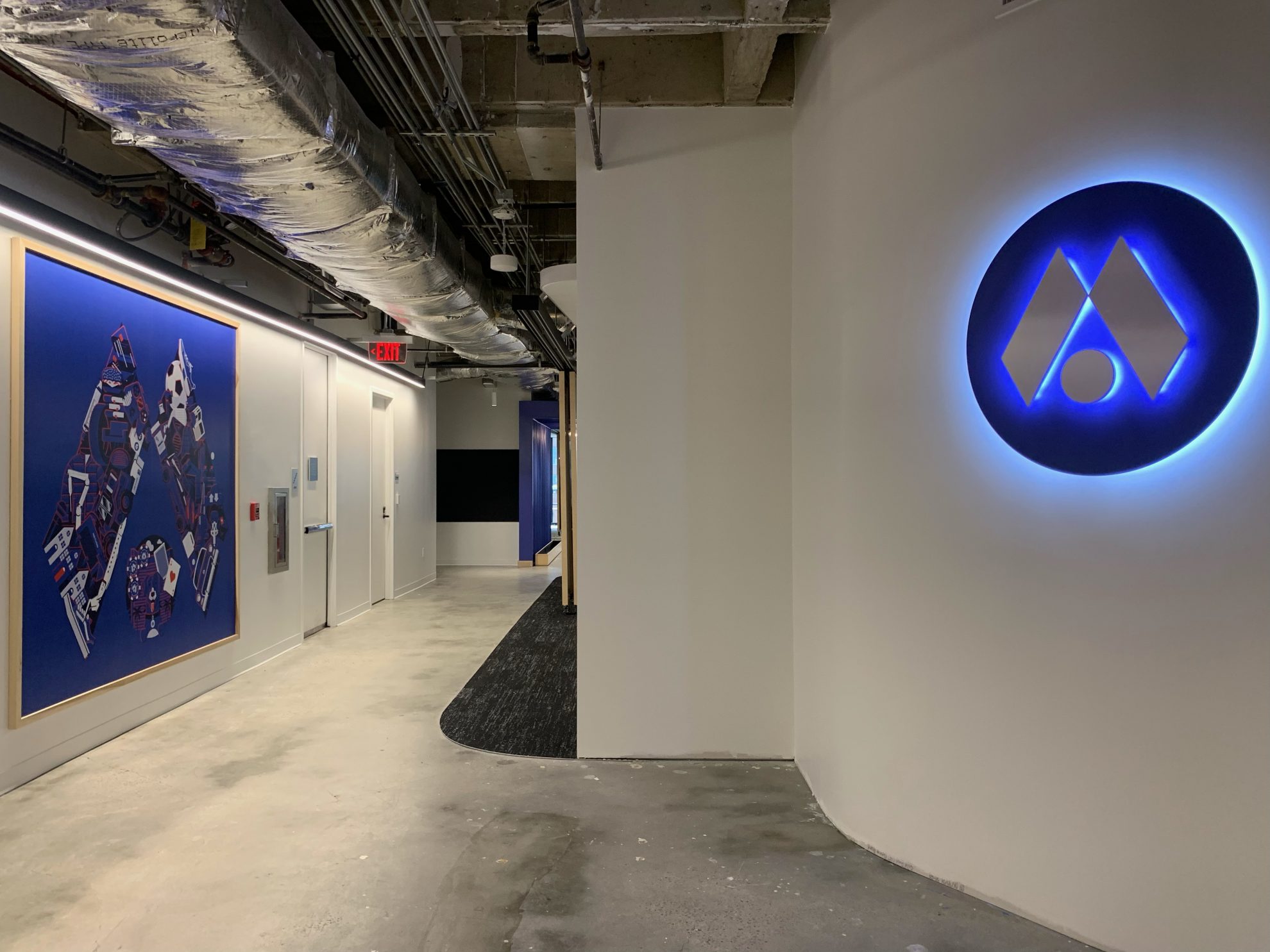
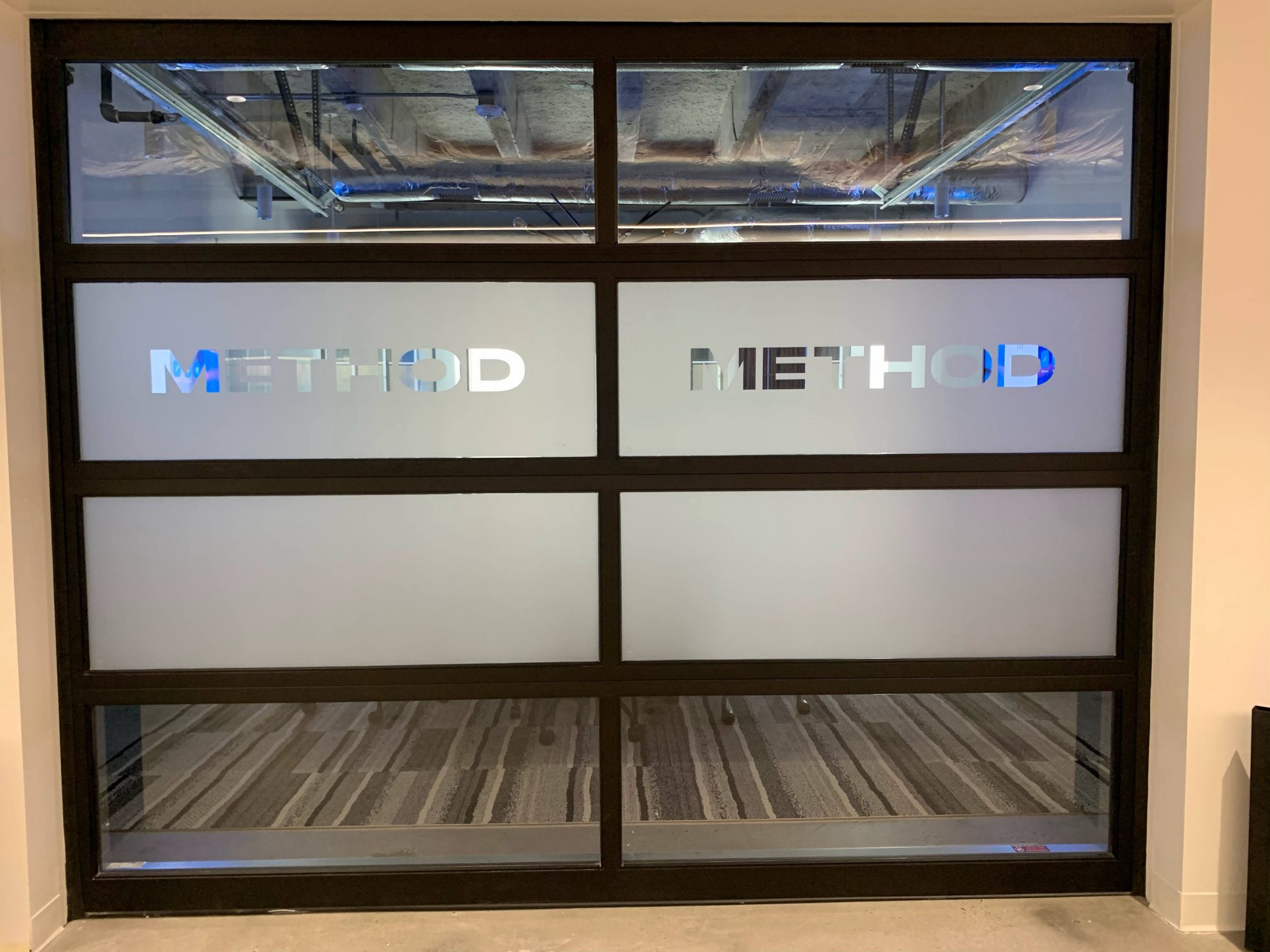
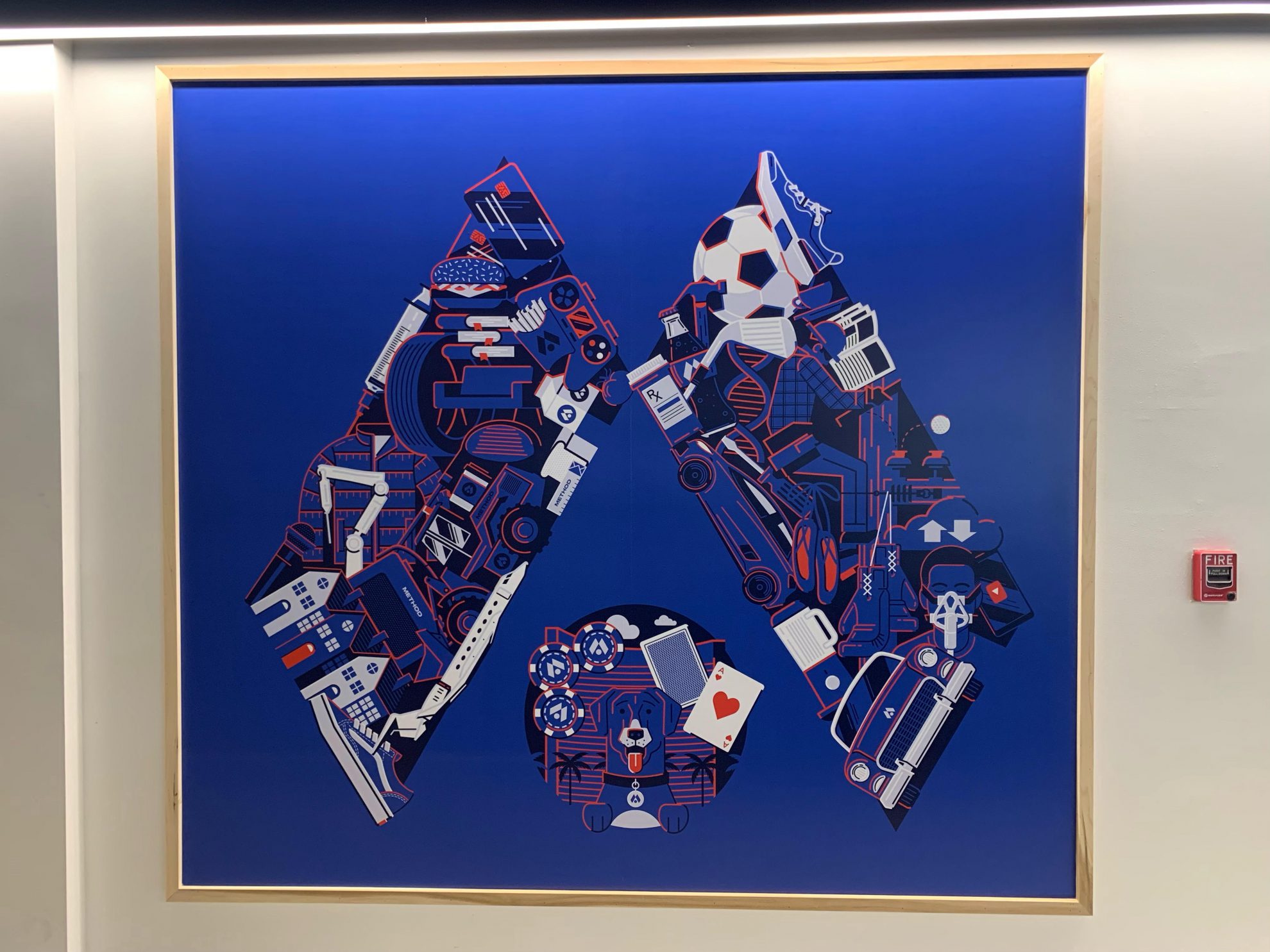
Heritage Signs & Displays' collaboration with Method (formerly Skookum) to rebrand their corporate headquarters. The project included dimensional lettering, wall displays, LED-lit signage, wall wraps, and frosted vinyl, creating an immersive and branded environment. Heritage worked closely with Method's team, ensuring accurate execution and timely delivery. The transformation was completed in August 2021, with Method's employees moving into the revamped space in September. The project reflects Heritage's commitment to quality and collaboration.
Heritage combines verified local field support with coordinated regional production and one project relationship.
Raleigh anchors the Research Triangle, Greensboro anchors the Piedmont Triad, and Charlotte provides the primary Carolinas production backbone along with its own Charlotte-region resources. South Carolina markets are supported through coordinated Carolinas resources rather than a claimed local office. This structure lets site-specific conditions stay local while production, fabrication, and project knowledge can move across the region when useful.
It can make identity, purpose, culture, history, recognition, privacy, direction, and important messages easier for people to experience in the space.
Heritage begins with the communication objective instead of a product catalogue. A workplace may need a stronger arrival or visible culture. An association may need to show impact and recognition. A campus may need clearer movement. An event may need sponsor visibility and quick orientation. Environmental graphic design helps organize the physical elements around those outcomes.
Raleigh provides a client-facing office and local field and installation hub for the Research Triangle.
That support includes discovery, meetings at client facilities, site surveys, field verification, installation planning, professional installation, follow-through, and nearby project support across Raleigh, Durham, Chapel Hill, Cary, Morrisville, Research Triangle Park, and surrounding communities. Production and fabrication can then be coordinated with the Heritage resource that best fits the work.
Greensboro provides local client-facing field and installation support for the Piedmont Triad.
The Greensboro team supports discovery, site surveys, installation planning, professional installation, follow-through, and nearby support for Greensboro, Winston-Salem, High Point, and surrounding communities. Heritage can connect that local site knowledge to Charlotte production and other regional resources without asking the client to manage unrelated providers.
Those markets are established Heritage service geographies supported through coordinated Carolinas resources, not through a claimed South Carolina office.
Greenville-Spartanburg and Upstate South Carolina, along with Columbia and the South Carolina Midlands, can use the same Heritage project model when the scope and logistics fit. Charlotte production supports Carolinas work, while field planning and installation resources are coordinated for the actual project. Public content should preserve the distinction between service geography and physical office locations.
The Project Manager preserves the client and project history while connecting the Heritage resources appropriate to each site.
Brand standards, approvals, communication history, production expectations, scheduling context, and earlier decisions can stay with one coordination point even when the work moves from Raleigh to another Carolinas market or into the Mid-Atlantic. Local teams can then address the practical conditions at each property without forcing the client to repeat the same onboarding and decisions.
It connects the client's communication goals with field facts that can materially affect design, production, and installation.
For projects that will ultimately include Heritage professional installation, the site survey is required. Heritage verifies reasonably observable dimensions, surfaces, existing conditions, access, placement, mounting needs, and installation requirements while confirming what the client wants the environment to accomplish. That information becomes part of the project record used by the people who will execute the work.
Heritage develops the visual direction with production reality in view, so the approved idea can move toward a successful physical result.
Environmental graphic design addresses hierarchy, scale, placement, imagery, privacy, recognition, direction, and relationships among elements. Production and fabrication knowledge help test materials, construction, fit, and practical execution. The goal is not to make design subordinate to manufacturing, but to prevent an attractive concept from reaching the site without a responsible plan for how it will actually be built and installed.
Heritage professionally installs the signs, graphics, displays, and branded elements it produces, fabricates, procures, or manages within the engagement.
Installation is planned from the same project history used for design and production. That gives the installation team context for placement, fit, mounting, application, access, finish, property protection, and field decisions. Heritage does not provide installation-only service for customer-provided signs or graphics because the company would not control the measurements, materials, production quality, fit, or replacement response needed for full accountability.
Yes. Heritage can support multi-location organizations across both regions through local offices and teammates connected by one dedicated Project Manager.
The same brand program can preserve approved design intent and production expectations while adapting dimensions, architecture, surfaces, access, audience, and installation planning to each property. Regional capability is most valuable when it removes repeated onboarding and preserves knowledge, not when it forces every location to look or function identically.
Heritage compares the requested date with approvals, venue conditions, materials, production capacity, transportation, access, and installation before committing to a plan.
When the date is achievable, the team works proactively toward it. When the entire wish list will not fit responsibly, Heritage communicates early and helps protect the most important event outcomes through phasing, priority changes, resequencing, or a different physical application. The objective is a workable event environment, not an optimistic promise that creates a late failure.
Yes. Heritage can create environmental graphic design with client stakeholders or implement approved visual direction developed with the wider professional team.
Architects, interior designers, branding firms, environmental graphic designers, workplace consultants, marketing teams, facility leaders, and event professionals may each own different parts of the broader project. Heritage's role is to connect the approved physical branding direction to production, fabrication, project management, and installation within Heritage's scope, without claiming architecture, engineering, commercial interior design, permitting, or code consulting.
New workplace interior and event environment opportunities generated through this website should plan for an anticipated overall project investment of at least $5,000.
The amount applies to the overall Heritage-managed opportunity rather than one line item. Many Heritage projects involving production and professional installation range from $10,000 to more than $200,000. Design development, materials, fabrication, site conditions, travel, access, installation requirements, schedule, phasing, and the number of locations can all influence the final project investment.
Selected non-illuminated storefront and arrival elements can be included when the application, product, and site support the work.
Heritage can provide exterior window graphics, exterior wall graphics, dimensional lettering, sign panels, and related elements that connect the arrival experience to the interior. Heritage does not produce or install monument signs, pylon signs, channel letters, or illuminated exterior signs. The responsible client, property, or construction party handles required sign permits and property approvals.
No. Heritage does not offer installation-only service for customer-provided signs or graphics.
The field result can be affected by measurements, material choice, fabrication, production accuracy, fit, packaging, mounting details, and replacement responsiveness. Heritage keeps those inputs within a managed engagement so the installation team can work from known project information and Heritage can remain accountable for the work within its control.
Start by describing the result, location, audience, target date, and anticipated investment rather than trying to choose every product first.
Use the Get Started Now form to share photographs, plans, brand standards, logos, venue information, reference images, or other useful files when available. Heritage can then determine what still needs discovery or field verification and recommend the next practical step. For installed work, that path will include the required Heritage site survey before final execution planning.